White smoke, coolant loss, or milky oil? Here are the real signs of a blown head gasket in a diesel engine and how to confirm it before you tear the engine down.
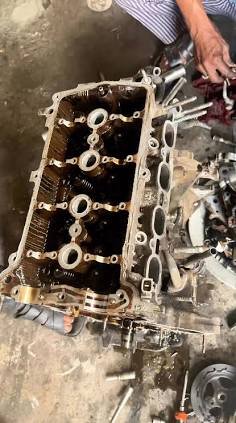
A head gasket failure is one of the more serious problems a diesel engine can develop, and it’s also one that gets misdiagnosed a lot because early symptoms can look like other issues. Diesel engines run higher compression and higher cylinder pressures than gas engines, which puts more stress on the head gasket to begin with, and certain engines are more prone to this failure than others.
This guide covers the common signs of a blown head gasket, what typically causes the failure, and how to confirm the diagnosis before committing to a repair that involves pulling the heads.
What a Head Gasket Actually Does
The head gasket seals the cylinder head to the engine block, keeping combustion pressure contained in the cylinders while also sealing off the separate coolant and oil passages that run through the block and head. When it fails, it can let combustion gases escape into the cooling system, let coolant leak into the cylinders or oil, or let oil and coolant mix. Which of these happens depends on where exactly the gasket has failed.
Common Symptoms of a Blown Head Gasket
White smoke from the exhaust. This is one of the most recognized signs and usually means coolant is getting into the combustion chamber and burning off as steam. It’s often more noticeable on cold starts.
Milky or frothy oil. If you pull the dipstick or oil cap and see a milky, coffee-with-cream colored substance, that typically means coolant has mixed into the oil.
Coolant loss with no visible external leak. If you keep having to top off coolant but can’t find a puddle under the truck, the coolant may be leaking internally into a cylinder or the oil system.
Overheating, especially under load. A compromised gasket can allow combustion pressure into the cooling system, which can push coolant out of the overflow or cause the engine to run hotter than normal.
Bubbles in the coolant reservoir with the engine running. This can indicate combustion gases are leaking into the cooling system.
Rough running or misfire on one cylinder. If the gasket has failed between a cylinder and an adjacent water or oil passage, it can affect how that cylinder fires.
Sweet smell from the exhaust. Burning coolant often has a distinct sweet smell, which some people notice before other symptoms show up.
Not every one of these symptoms points to a head gasket every time. A cracked head or block can cause very similar symptoms, so proper testing matters before assuming it’s the gasket specifically.
What Causes Head Gaskets to Fail on Diesel Engines
- Overheating. Repeated or prolonged overheating is one of the most common causes, since it stresses the gasket material and can warp the head or block.
- High cylinder pressure. Diesel engines, especially ones that have been tuned for more power, put more stress on the gasket than stock configurations.
- Age and heat cycling. Like any gasket, repeated heating and cooling cycles over time can degrade the material.
- Improper torque during a previous installation. If a head was ever removed and reinstalled without following the correct torque sequence and specification, it can lead to premature gasket failure.
- Known weak points on certain engines. Some diesel engine platforms have documented head gasket weaknesses at higher power levels, so it’s worth checking if this applies to your specific engine.
How to Confirm a Head Gasket Failure
- Coolant system pressure test. Pressurizing the cooling system while the engine is off can help identify whether pressure holds or drops, which can point toward an internal leak.
- Combustion leak test (block test). This test checks for combustion gases in the coolant, which is a fairly reliable way to confirm a gasket or crack issue.
- Oil analysis. Sending an oil sample for analysis can confirm coolant contamination even before it’s visually obvious.
- Cylinder leak-down test. This can help identify whether a specific cylinder is losing pressure into the cooling system or an adjacent cylinder.
Because symptoms can overlap with other issues like a cracked head or a failing EGR cooler on some diesel platforms, a proper diagnostic process is worth the time before ordering parts.
Repair Considerations
Head gasket replacement on a diesel engine is a significant job. It usually involves removing the cylinder head, inspecting it for warpage or cracks, resurfacing if needed, and reinstalling with a new gasket following the manufacturer’s torque sequence and specification exactly. Because of the labor involved, many owners choose to replace related wear items like the water pump, thermostat, and injector cups (where applicable) at the same time, since the engine is already apart.
Using the correct gasket rated for your specific engine and application matters here more than almost anywhere else in the engine. Cutting corners on gasket quality for a job this labor-intensive rarely pays off.
Common Mistakes to Avoid
- Continuing to drive on a suspected blown head gasket, which risks further engine damage from overheating or hydrolock.
- Skipping a proper diagnostic test and assuming the head gasket is bad based on symptoms alone.
- Reusing head bolts that are designed to be torque-to-yield (single use) rather than replacing them.
- Not resurfacing or properly inspecting the head for warpage before reinstalling.
Frequently Asked Questions
Can you drive with a blown head gasket?
It’s not recommended. Continuing to drive can lead to overheating, hydrolock, or further engine damage, so it’s best to have it diagnosed and addressed as soon as possible.
How much does head gasket replacement cost on a diesel?
This varies significantly by engine and labor involved, so it’s best to get a quote specific to your engine rather than relying on a general estimate.
What does milky oil mean?
Milky or frothy oil usually indicates coolant has mixed into the oil, which is a common sign of head gasket failure, though it can occasionally come from other causes like a cracked block.
Is white smoke always a head gasket problem?
Not always, but it’s one of the more common causes, especially when paired with other symptoms like coolant loss or overheating.
Do I need to replace head bolts when replacing a head gasket?
On many diesel engines, yes. Torque-to-yield bolts are designed for one use and should be replaced. Checking your engine’s specific service procedure will confirm whether this applies.
How long does a head gasket job take?
This depends on the engine and how much additional inspection or machine work is needed, so timelines vary quite a bit by vehicle and shop.
Final Thoughts
A blown head gasket is a serious repair, but catching it early and confirming the diagnosis properly can prevent it from turning into a much bigger engine problem. If you’re seeing white smoke, coolant loss, or milky oil, it’s worth getting it checked out rather than waiting.
Browse our HEAD GASKET CATEGORY for replacement options, or check our ENGINE PARTS CATEGORY for related components. For help confirming fitment, Head over to Contact so our team can walk you through what info you’ll need.